
HDI hurricane melissa RESPONSE
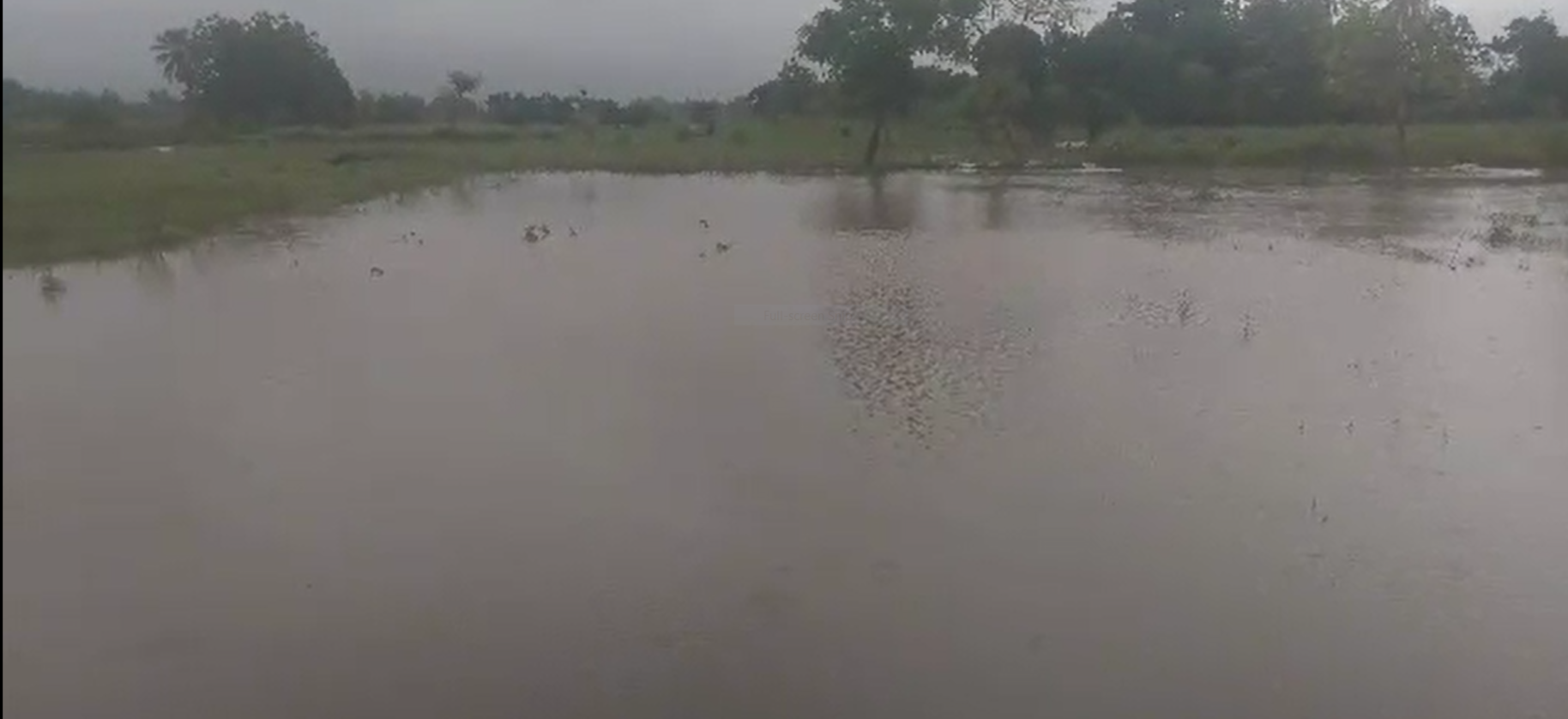
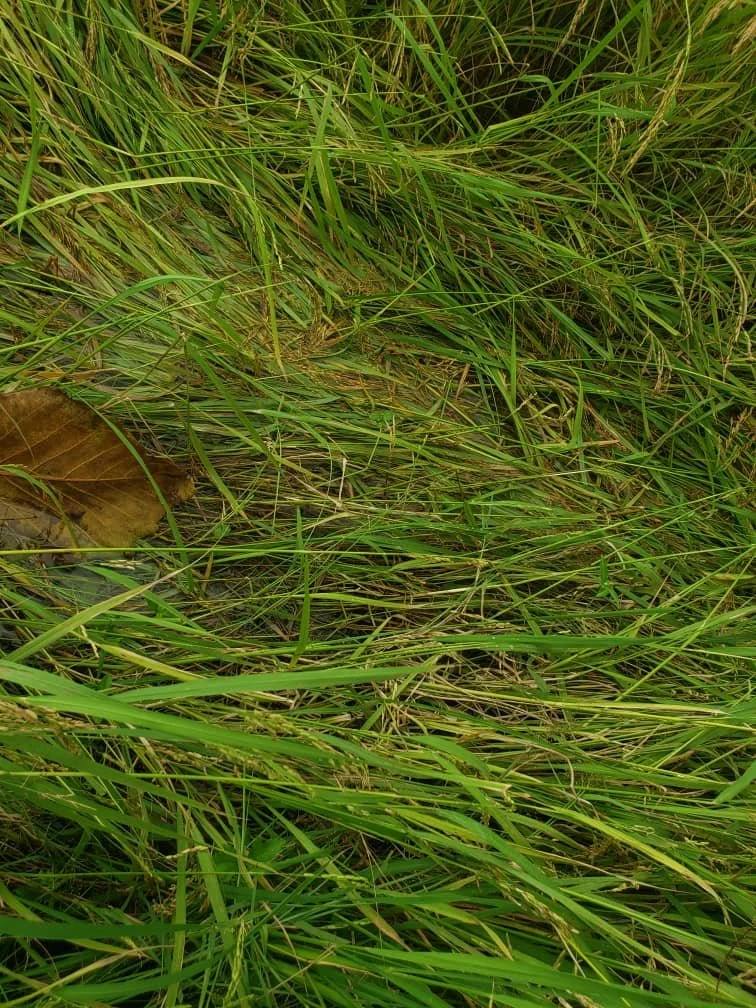
Flooded farmland in southern Haiti
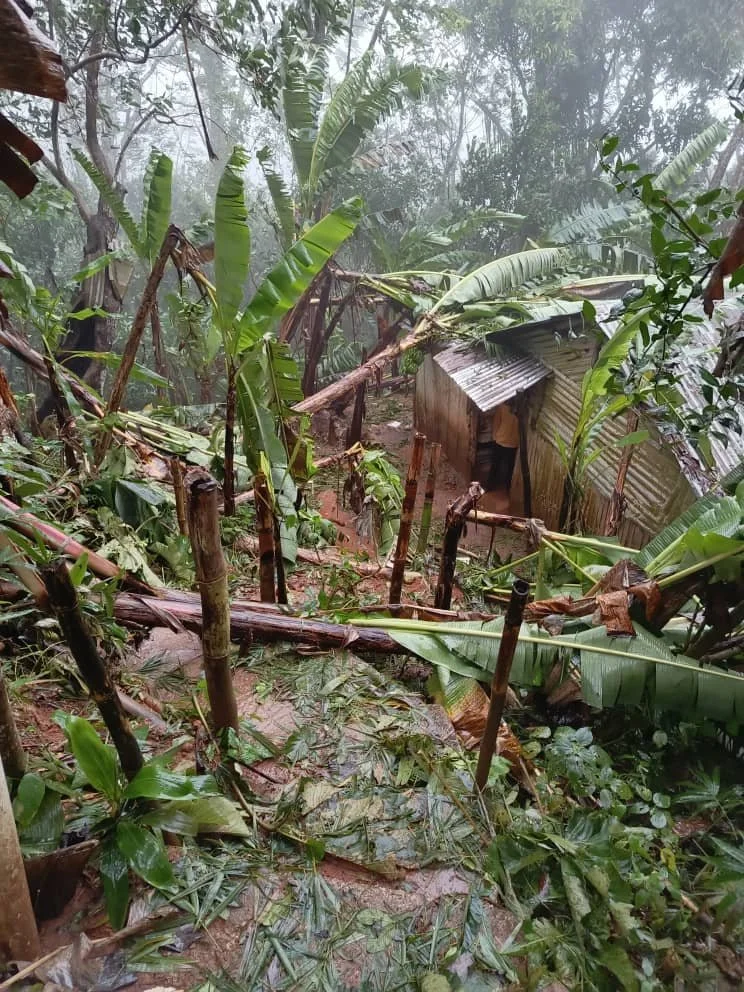
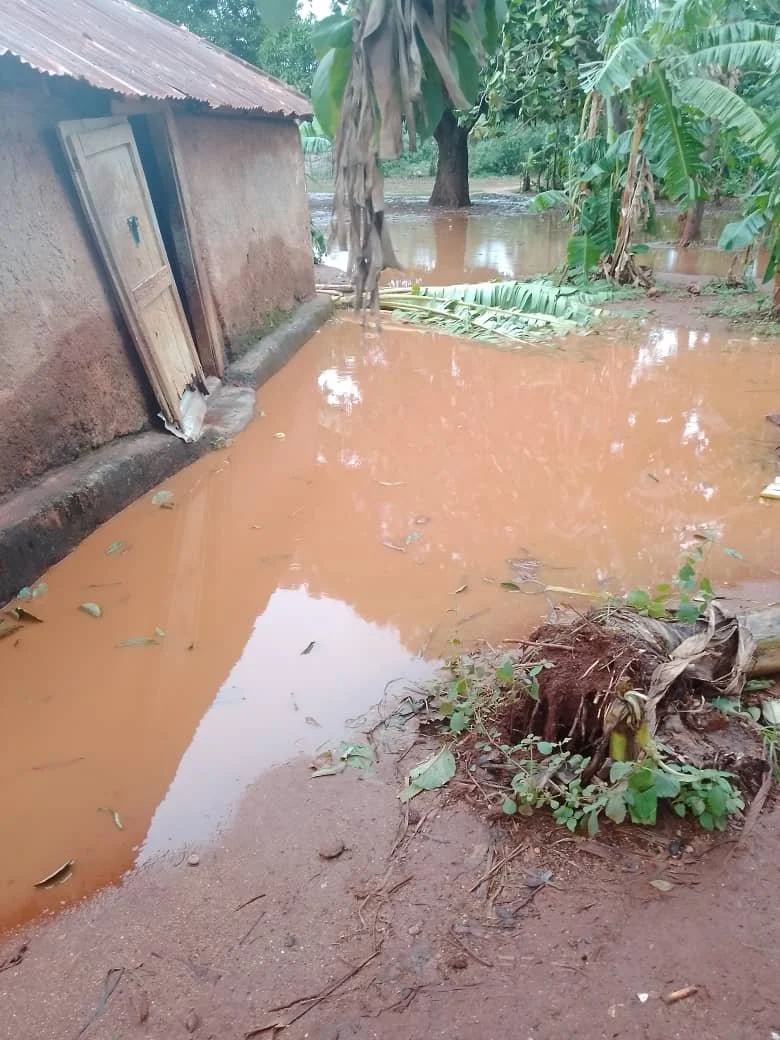
As Hurricane Melissa moves on, the full extent of its destruction is becoming clear. With record-breaking winds, much of Jamaica has been flattened. In Haiti, the storm brought relentless rain and fierce winds, causing rivers to overflow and flooding towns, roads, schools, homes and farmlands.
Thousands of families in Haiti’s southern peninsula are now facing devastating losses of crops, animals, and livelihoods. Many of these communities suffered the impact of the earthquake in 2021. HDI has long partnered with these communities to strengthen livelihoods as well as disaster preparedness. These investments built resilience and saved lives. Yet such a destructive force has heartbreakingly set back their progress.
Our partners are sharing the hurricane’s impacts. As one example, Tijo Conseillant of GREDEL reports that its small community in Port-Salut has suffered:
Livestock lost: 18 goats, 13 sheep, 1 cow, 7 chickens
Beekeeping: 17 hives destroyed
Fishing: 12 nets and 5 dugout canoes lost
Housing: 4 roofs gone, 14 walls collapsed
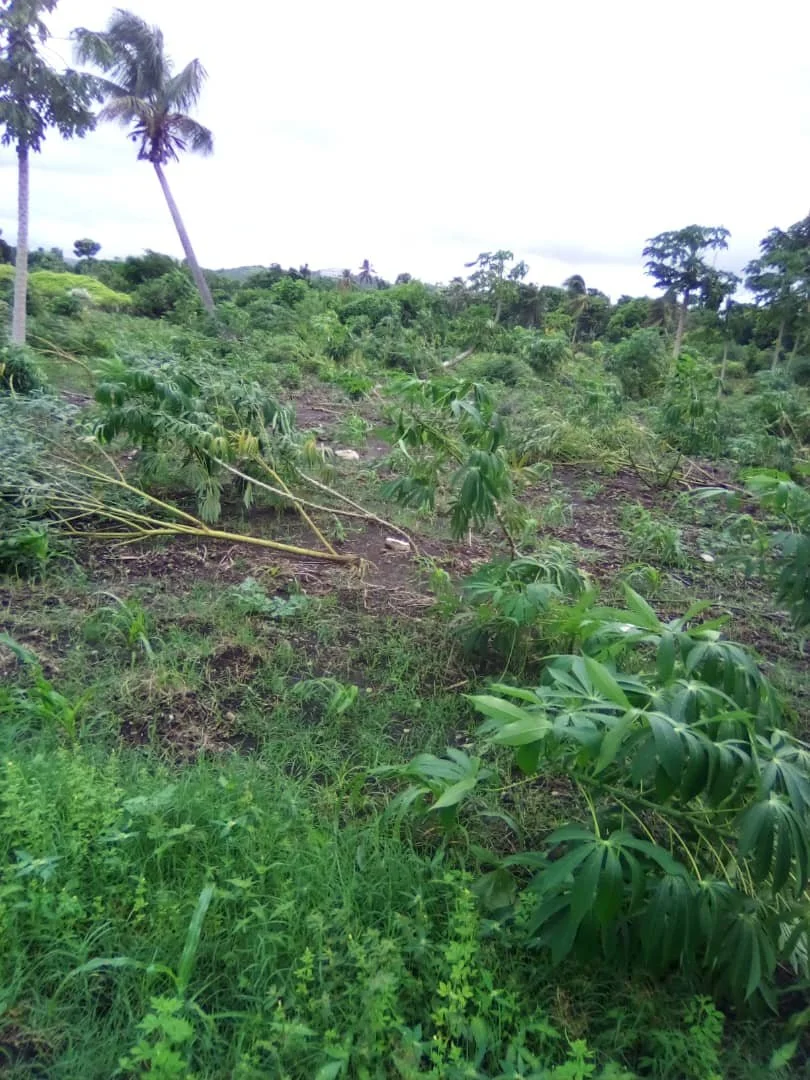
Agriculture: 45 cassava gardens devastated, 31 not yet harvested, 14 ready for harvest
Crops: Pea, corn, and banana fields destroyed
Road: extensive damage
There are hundreds of communities in this position. These losses are not just numbers - they represent livelihoods, food security and years of hard work.
OUR APPROACH
We will support hurricane victims by leveraging all our pillars:
Grantmaking
HDI will work with our trusted partner community organizations in the hardest hit communities to provide funding for locally-led relief and recovery responses. Resourcing local institutions is a more effective approach to humanitarian assistance because 1) they are better able to reach and support the most vulnerable people in the most remote and marginalized places, 2) they know the community’s priority needs and how best to meet them, and are accountable to community members, 3) they are more cost-effective implementers than international or national entities not from the community, and 4) resourcing them strengthens community institutions that will be there to build resiliency and advance community development for the long term.
HDI has worked with many communities and their community-based organizations in the areas hardest hit by Hurricane Melissa. We are collecting information and doing an assessment with our partners on the impacts of the storm and priority needs of affected communities. We will then make grants targeted to help farming families recover by supporting efforts to rebuild livelihoods through e.g., seedling distribution, livestock replacement, farmland restoration, capitalization of mutual solidarity savings and loans groups and more. We will also support continued investments in stronger agricultural systems that can withstand future shocks.
Capacity Building and convening
HDI will continue to accompany our partners to build stronger, more effective organizations leading their communities to recover form this disaster and pursue security and prosperity. We will continue to bring together community organizations to network, learn from each other and find ways to work together to support regional recovery. And we will continue to support communities to develop disaster preparedness plans. Communities benefitting from this training told us it helped them mitigate losses and saved lives in the recent hurricane.
HDI is an initiative of the Boston Foundation and partners with it to support HDI’s disaster response efforts through the Haiti Disaster Response Fund.
Contact Liz Fischelis at elizabeth.fischelis@tbf.org to learn more.